Betagro is achieving its goal of becoming a World-class Integrated Food Company for Sustainable Life
Betagro Public Company Limited’s over 55 years of operations has ensured its success and continued recognition as Thailand’s leading international food producer that adheres to organizational concepts which support a better quality of life for all by providing safe and high quality foods at reasonable prices. The company recognizes that food plays an important role in people’s lives, is the foundation for sustainable development, and remains committed to improving the food industry to support food security in the future.
Highlighting an ESG framework that drives business growth
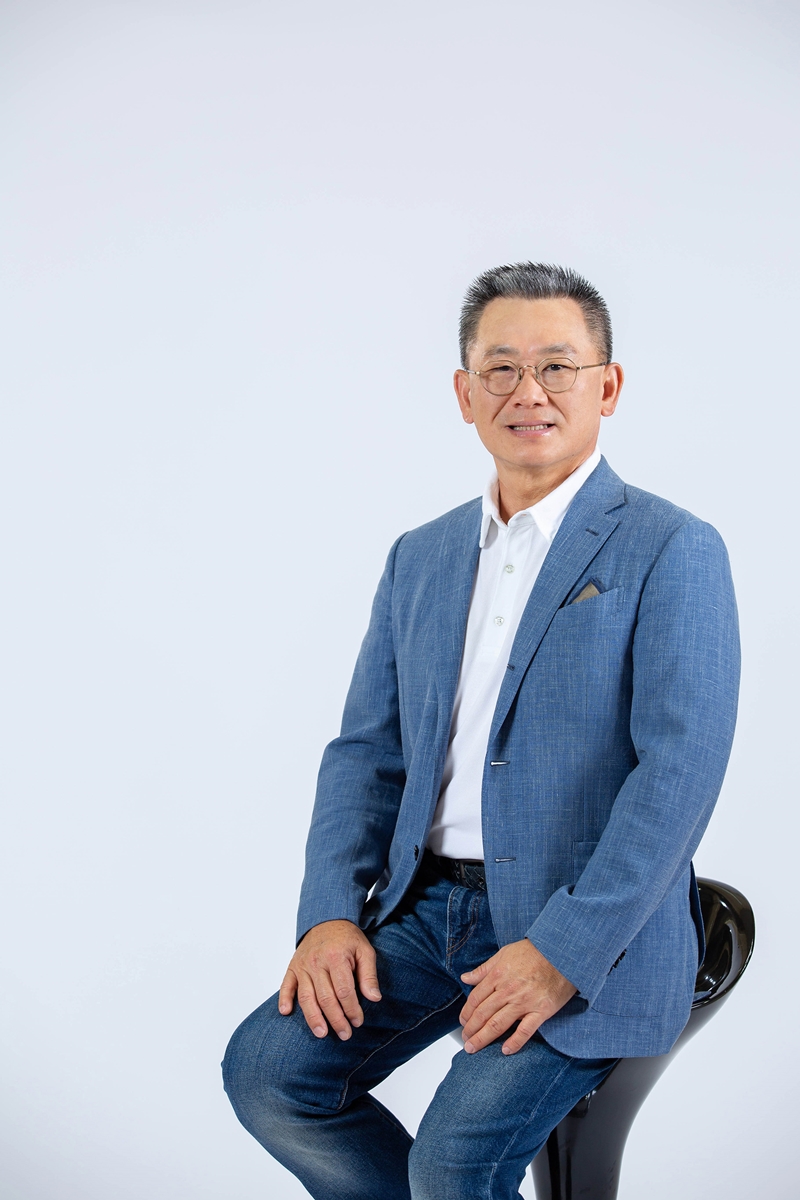
“Betagro operates sustainably by being economically, socially and environmentally responsible and by recognizing how we can mitigate the impacts of our operations by combining technological breakthroughs and innovations with organizational development to provide higher quality products to consumers under an ESG framework which benefits stakeholders throughout the supply chain. We are also driving policies that advance our sustainability in response to the United Nations Sustainable Development Goals (SDGs), including the adoption of circular economy principles in our business by improving resource efficiency,” said Mr. Vasit Taepaisitphongse, Chief Executive Officer and President of Betagro Public Company Limited.
Incorporating environmental concerns in business operations
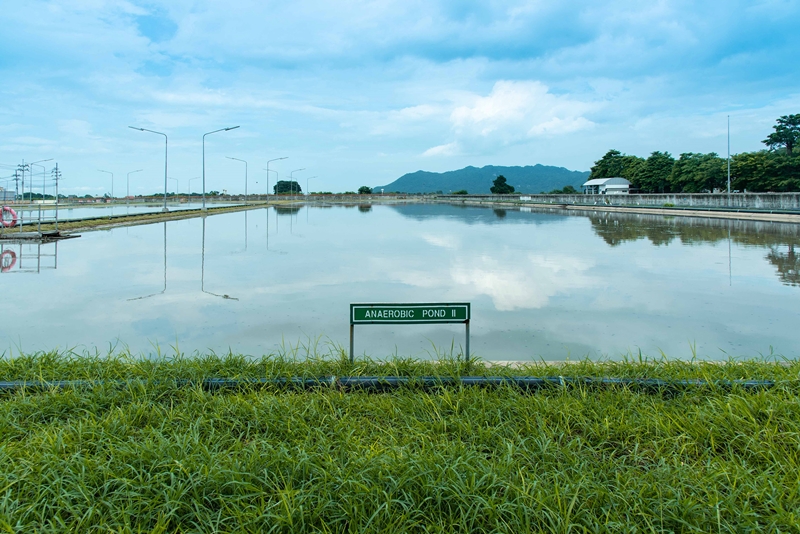
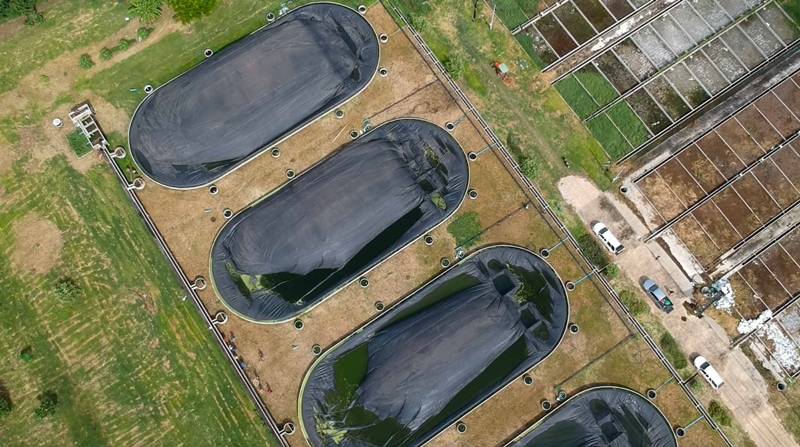
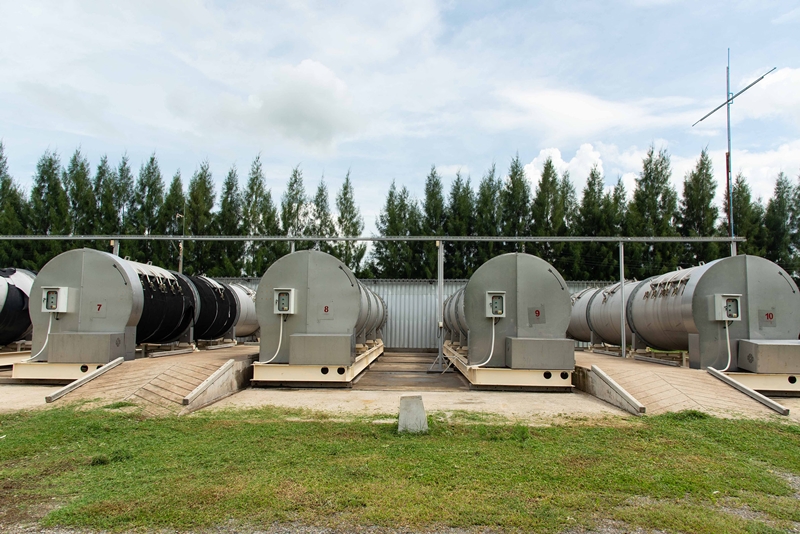
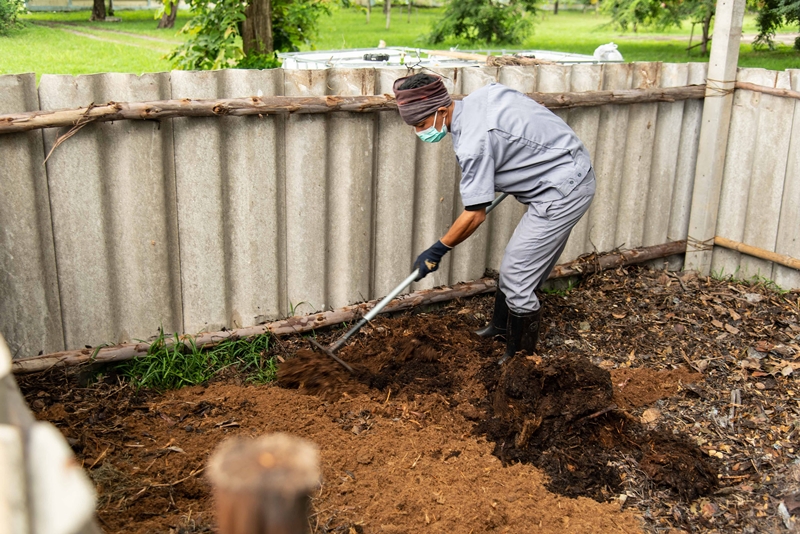
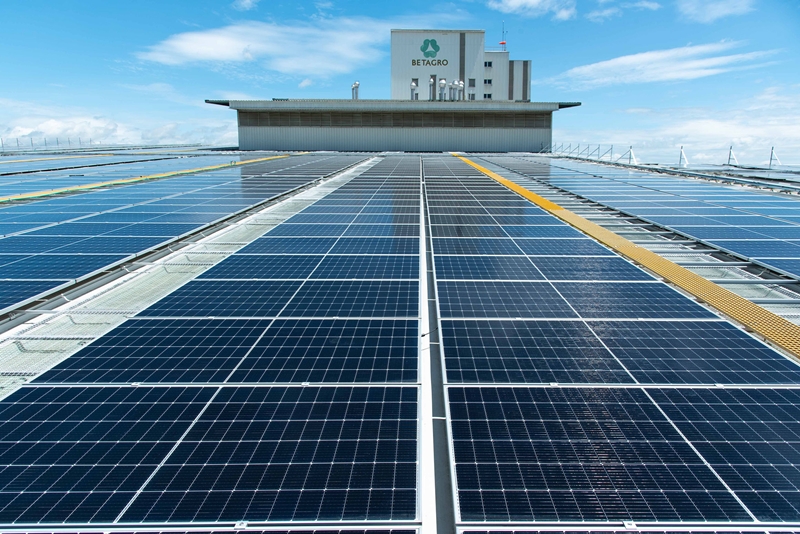
Betagro recognizes the importance of its environmental impacts and is responding by incorporating advanced technologies and innovations in its operations to achieve long-term sustainability goals. For instance, the company developed several initiatives, such as integrating water, waste, and energy management systems to reduce water consumption in its production process, increasing wastewater reuse and improved wastewater treatment to meet quality standards in line with regulations, reducing waste generation at the source, and encouraging employees to separate waste. Project improvement measures target the efficient use of waste and achieving the maximum benefits, and adjustments in feed ingredients to optimize nutrient absorption for pigs, resulting in lower greenhouse gas emissions and odors. On energy, Betagro is increasing its use of solar power as a renewable energy resource with solar panels installed at over 35 sites across the country which collectively produce more than 40 megawatts of clean energy while reducing GHGs by more than 22,000 tons and optimizing cost-savings.
“A solar rooftop with a power generation capacity of 2.8 MW was recently equipped at our third feed mill in Lopburi province. It is the world’s first and only animal feed mill that is 100% solar powered during the day and we plan to expand the scope of the greenhouse gas emission assessment or carbon footprint to products made from pork and eggs covering all major products in the food and feed business,” said Mr. Vasit.
Collaborating for a stronger society focused on sustainability
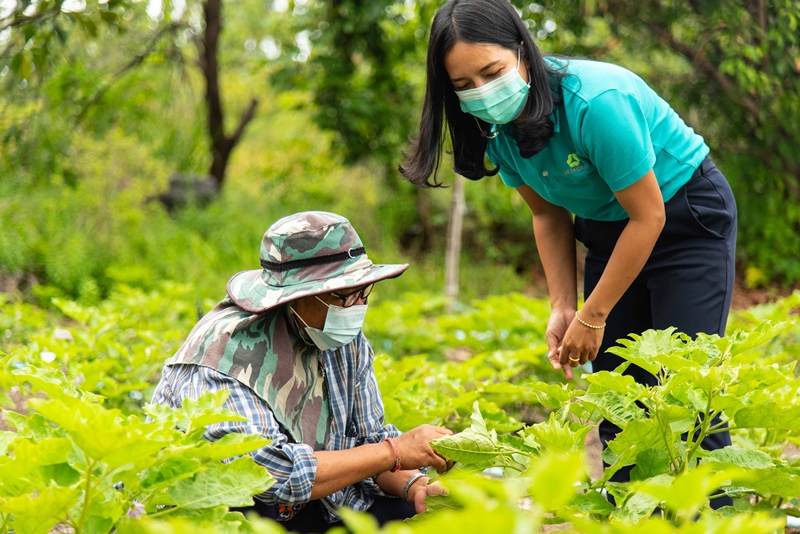
Betagro believes that a business can grow sustainably while supporting communities and society. The company has consistently initiated local projects where it operates through a holistic area-based community development approach to strengthen five key aspects: the economy, health, the environment, society, and education. Through collaborations with the public and private sectors, local governments, and educational institutions, Betagro is carrying out a community development master plan called the “Chong Sarika Model” to build strong and self-reliant communities. This involves encouraging a volunteer spirit and appreciating one’s hometown, resulting in passing on knowledge from generation to generation together with sustainable and quality community developments.
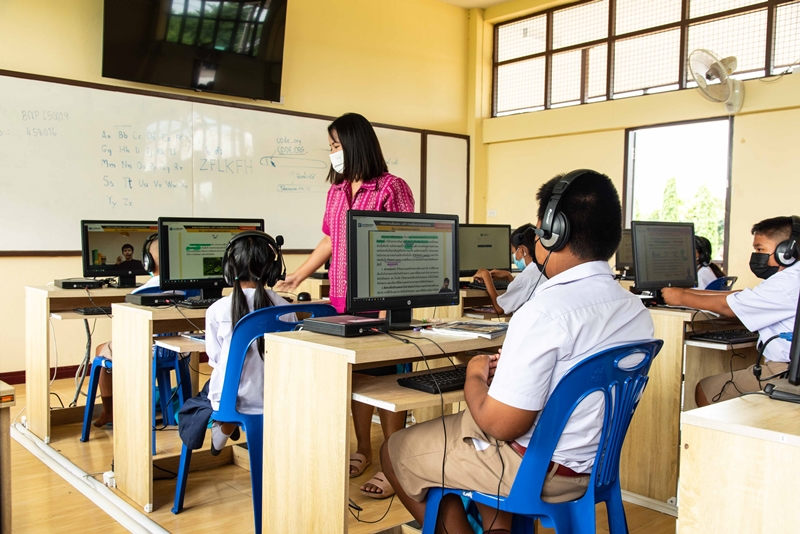
The company is also working with network partners to initiate several projects including a Village Development Bank at Chong Sarika Subdistrict, Phatthana Nikhom District in Lopburi, an ongoing Quality Kitchen Project that aims to raise standards in nutrition and hygiene for a school kitchen, an Indigenous Chicken Conservation and Breeding Project for sustainable use, a Community Reforestation Project, and a local conservation and development project in Khung Bang Kachao.
In addition, Betagro’s feed mill in Nakhon Ratchasima has applied innovative technologies such as a manufacturing execution system (MES) and distributed control system (DCS) in its production management.
This has increased production efficiency and maximized labor skills and local employment in the area, allowing the company to better respond to the needs of customers.
Driving a transparent business with good governance
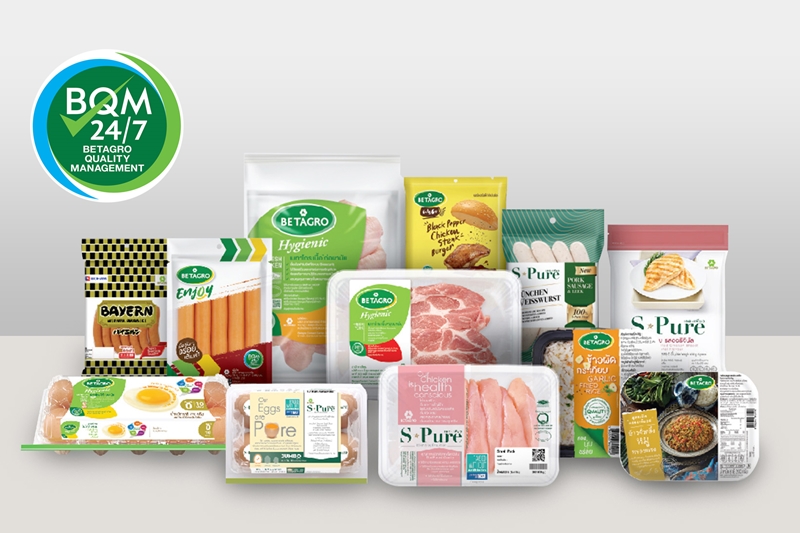
Betagro pays special attention to every step of the production process to make sure that quality and safe food products reach consumers. The company operates Betagro Quality Management (BQM), a strict quality control and safety standards process together with the Betagro E-Traceability System, an electronic food safety application to trace food back to its source. This improves consumer confidence in every aspect of Betagro’s products, which comply with international food safety standards.
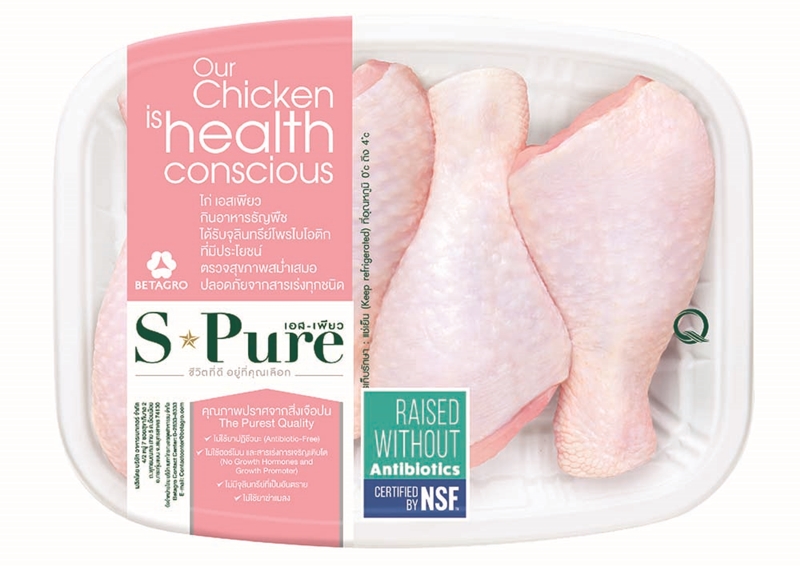
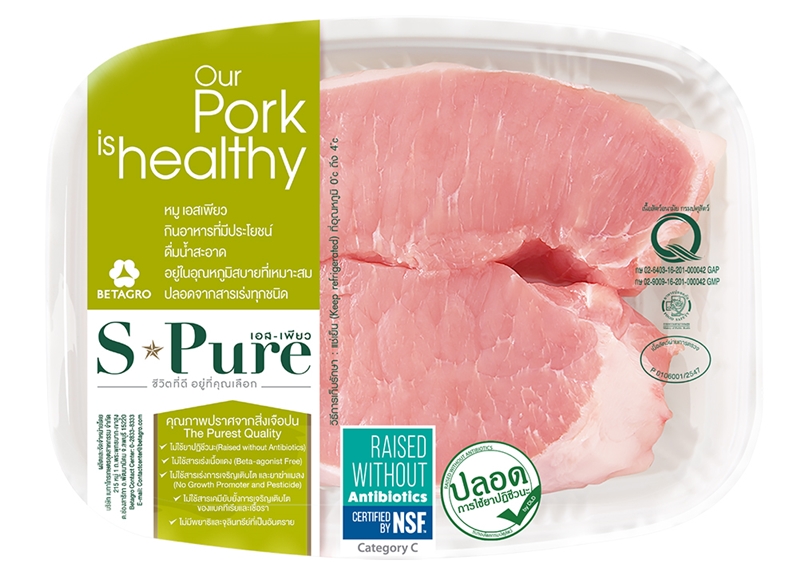
Mr. Vasit added that quality control for each phase of production and product safety are Betagro's top priorities. Betagro Biosecurity Management was designed to reduce the risk of diseases in livestock by focusing on integrated management in both animal health and the environment at the source. Additionally, Betagro’s S-Pure product line was the first in the world, as well as the first Thai brand, to receive a Raised Without Antibiotics – RWA certification from NSF International, with the ability to trace every step of the production process in the supply chain.
Continuing on a mission to operate sustainably
Betagro is enhancing its sustainability ecosystem and creating value with stakeholders across sectors to grow collectively by operating in support of the UN SDGs with a focus on four goals that reflect the company’s values: Zero Hunger, Good Health and Well-being, Responsible Consumption and Production, and Partnership for the Goals.
The company remains committed to supporting a more circular economy with a focus on the efficient use of resources to achieve the most benefits such as effective water management and the promotion of clean energy. This includes the use of solar power as a renewable energy resource for buildings and factories, waste management using biomass from livestock production, waste reduction by reducing disposable packaging in offices and production processes, and conducting carbon footprint assessments on its products. Through this combined effort, Betagro is achieving its position as a leading international food company supporting a sustainable life for all.
Photos